Modern democracy, as we know it, has been profoundly shaped by the two World Wars of the 20th century. These catastrophic conflicts were, at least in part, motivated by nationalistic fervour and a fierce desire for self-preservation, leading many to believe that they would indeed be “the wars to end all wars.” Yet, more than seventy years later, the threat of a third World War looms ominously, and we find ourselves wrestling with the same destructive forces that precipitated the previous global conflicts.
Nationalism and self-protectionism—two key drivers of past wars—continue to shape political discourse today. The rise of populist leaders, trade wars, and territorial disputes all reflect a worrying trend towards isolationism and insular thinking. As we teeter on the brink of another potential global conflict, it becomes increasingly clear that the old paradigms of governance are inadequate for addressing the complex challenges of the 21st century.
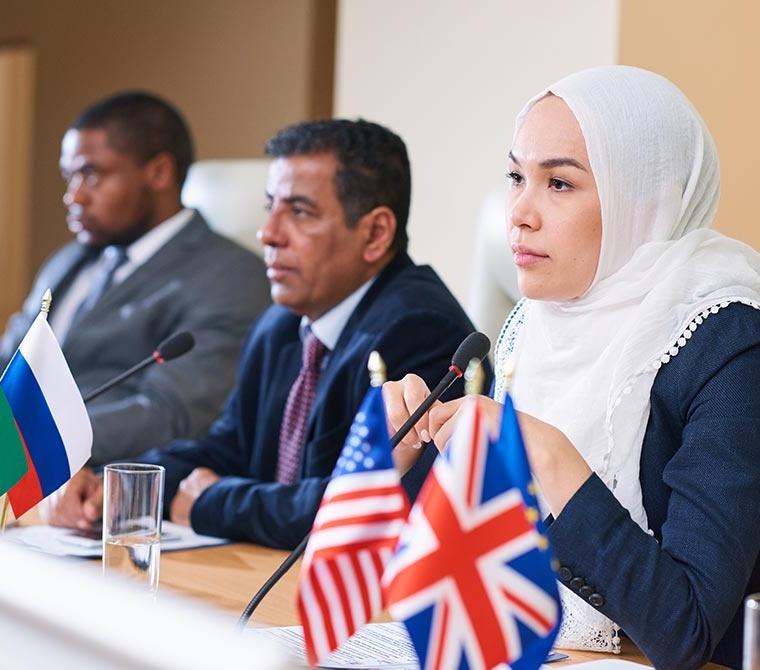
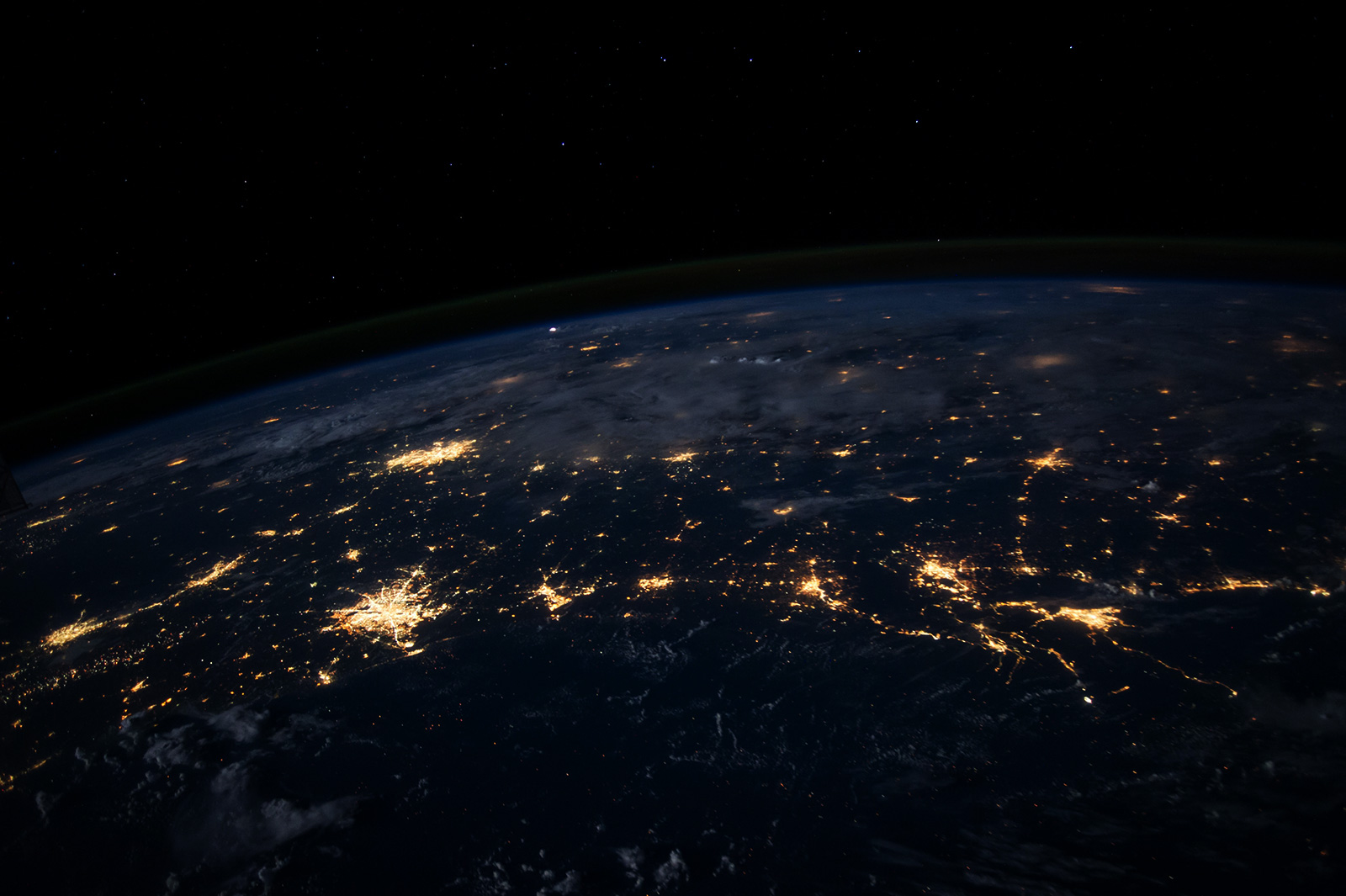
A fundamental shift in our approach to global problems is required. This shift involves moving from a mindset of competition to one of collaboration, especially on issues that transcend national borders. The fight against global warming offers a poignant example of where such collaboration could—and should—be achieved. Climate change is a problem that no single nation can tackle alone; it requires a unified global effort. OWL (One World League) offers the opportunity to forge a new path towards a more peaceful and equitable world.
In addition to fostering global collaboration, it’s imperative to rethink how we select and govern our leaders. Traditional democratic systems, particularly those based on competitive elections, have shown their limitations. The increasing polarisation and dysfunction in many democratic nations suggest that these systems are not effectively addressing the needs of the modern world.
One innovative approach could be to abandon conventional elections in favour of a jury selection-style method for appointing political leaders. This model could involve randomly selecting citizens to serve in governance roles for specified terms. This approach, akin to how juries are selected, could reduce the influence of money and special interests and encourage a broader representation of society. Such a system would also mitigate the often-toxic partisan divides that plague traditional electoral politics.
Another potential reform is the use of triumvirates instead of singular heads of state. This method, where a governing body is composed of three leaders who share executive power, could promote more balanced decision-making and prevent the concentration of power in a single individual. We need more nuanced and collaborative approaches to policy, as decisions would need to be made through consensus rather than unilateral action.
Revising outdated constitutions is also crucial. Many constitutions, written in the 18th or 19th centuries, do not reflect the complexities of contemporary society. They may lack provisions for new technologies, global interconnectivity, and the modern challenges of governance. Updating these foundational documents to align with 21st-century values and realities is essential for creating responsive and effective governance structures.
The challenge lies in navigating these changes without undermining the core principles of democracy. It requires a delicate balance between innovation and stability, ensuring that reforms enhance rather than compromise democratic ideals. However, if we are to avoid the mistakes of the past and address the pressing issues of our time, a “soft global revolution” of thought is necessary. This revolution would shift our focus from competitive, nationalistic impulses to collaborative, global problem-solving.
In conclusion, the lessons from the World Wars underscore the need for a radical rethinking of democracy and governance. As we face the possibility of new conflicts and enduring global challenges, embracing collaboration over competition and reimagining how we elect and govern our leaders could be key to building a more just and peaceful world. By updating outdated systems and fostering international cooperation, we can strive towards a future where democracy evolves to meet the needs of the 21st century and beyond.